Duplicate claims are more than just a minor inconvenience. For payers and TPAs, they drive up administrative costs, strain provider relationships, and introduce compliance risk directly into the claims management process.
The good news is that they're preventable. With the right validation tools, communication protocols, and analytics in place, duplicates can be identified and eliminated before they compound into larger operational problems.
These five steps show you how.
Step 1: Understand the Root Causes of Duplicate Claims
Duplicate claims happen for specific, identifiable reasons. Understanding those reasons is what makes prevention possible.
The most common causes are:
- Provider Resubmissions: Providers may submit a claim multiple times if they believe the first submission didn't go through or wasn't processed.
- System Errors: Technical glitches in claims processing systems can lead to unintentional duplicates.
- Manual Data Entry Mistakes: Human errors, such as accidentally resubmitting the same claim, can also be a factor.
By identifying patterns across these causes, your team can build targeted solutions that address duplication at its source rather than chasing it downstream.
Step 2: Implement Real-Time Validation Tools
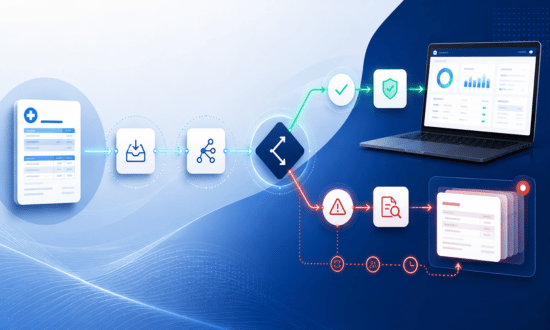
Catching duplicate claims early, before they enter your workflow, is the most effective way to stop them. Real-time validation tools compare new submissions against existing claims data and flag potential duplicates before they move forward.
For example, if a provider resubmits a claim with the same member ID, service dates, and procedure codes as a previously submitted claim, the system flags it for review.
That allows your team to address the issue proactively rather than retroactively, which is where most of the administrative cost is generated.
Step 3: Establish Clear Provider Communication
Providers often submit duplicate claims out of confusion or concern about payment delays. Clear submission guidelines and regular claim status updates can go a long way toward reducing that uncertainty.
Automated notifications, such as confirmations when claims are received and processed, reassure providers that their submissions are moving forward. That alone can significantly reduce the volume of unnecessary resubmissions.
Step 4: Use Advanced Analytics to Spot Trends
Duplicate claims often follow patterns. Certain providers, claim types, or systems may be more prone to duplication errors, and advanced analytics can surface those patterns before they become systemic problems.
If one provider consistently submits duplicate claims for a specific procedure, it likely signals a training gap or a system-level issue on their end.
Addressing it directly reduces duplicates at the source and improves overall claims management in healthcare rather than just managing the symptoms.
Step 5: Create a Systematic Review and Resolution Process
Even with strong prevention tools in place, some duplicates will still make it through. Having a clear resolution process ensures they're handled quickly and consistently.
That process should include:
- Dedicated Review Teams: Assign a team to handle flagged duplicates quickly and efficiently.
- Escalation Protocols: Define clear steps for resolving disputes or issues with providers.
- Regular Audits: Conduct routine audits to ensure duplicates are being managed effectively and to refine prevention processes over time.
A structured review process keeps resolution times short and prevents duplicates from sitting unresolved long enough to create downstream compliance issues.
Cut Through the Clutter with MDI NetworX
At MDI NetworX, we help payers and TPAs address duplicate claims at their source, not after they've already disrupted your workflow. Real-time validation, pattern-based analytics, and structured resolution workflows work together to keep your claims management process clean, accurate, and operationally sound.
Subscribe To MDI Focus
Signup for free and be the first to get notified on new updates.
Tags
Stay Connected